
Rhine Walks in Worms and the World of the Nibelungen
Worms and the Rhine belong together in more than a geographical sense. The river shapes the city’s atmosphere and gives it space, air and calm. Here, the Rhine is not a distant border but a presence that softens the pace of the city. At the same time, Worms is one of the places where one of the most influential narrative worlds of the Middle Ages still resonates. The Nibelungenlied remains deeply connected to the city.
This page brings these two dimensions together. It follows the movement from the historic centre towards the water and into a cultural echo that continues to shape Worms today.
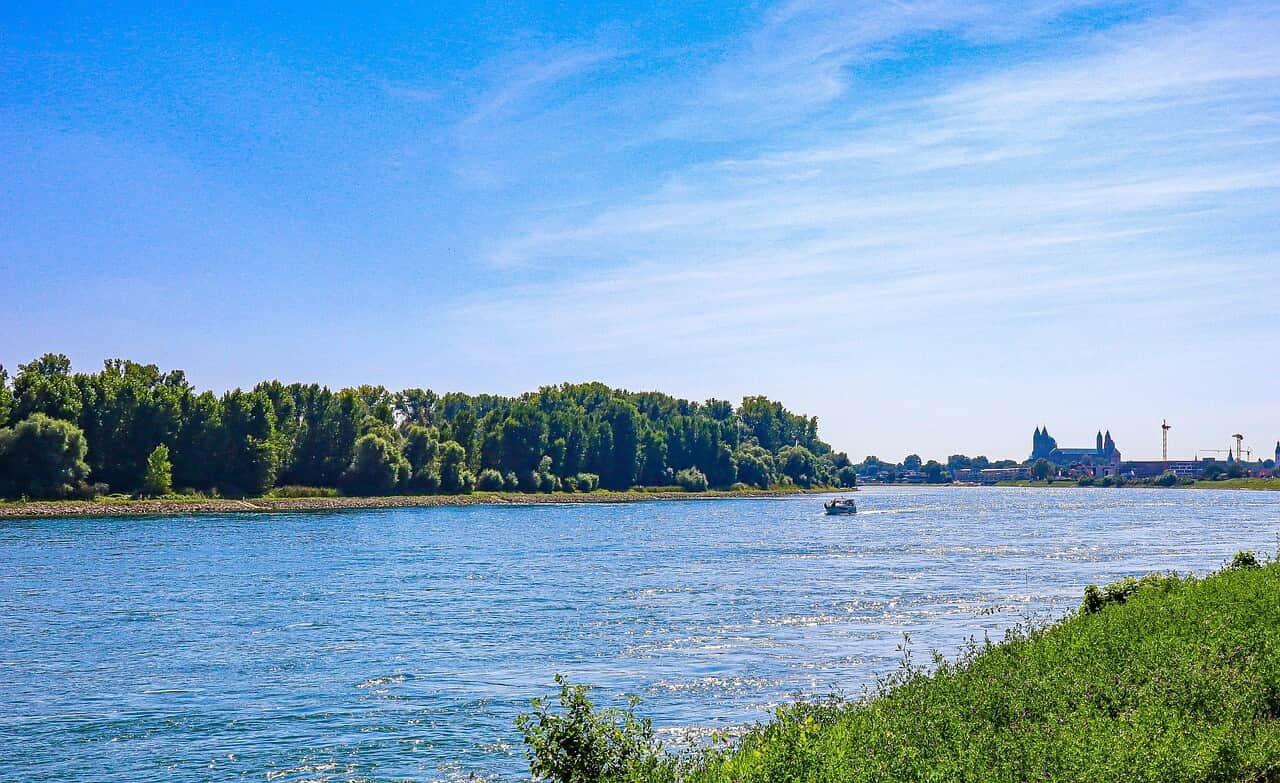
The Rhine Promenade: where the city opens towards the river
Walking along the Rhine promenade in Worms changes your perspective almost immediately. The view opens, sounds become quieter, and the city feels more measured. Riverside paths link the stone built centre with green floodplain areas in a way that feels natural and unforced.
If you enjoy walking, you will notice that the Rhine is not simply a backdrop. It is a place to pause and breathe. You can move without a fixed route and still arrive at places that feel meaningful and grounded in the city’s story.
Siegfried in the city: memory cast in stone
The world of the Nibelungen is also present in the heart of Worms. One example is the Siegfried Fountain, whose design is closely connected to the saga. Places like this are interesting because they show how Worms does not merely retell myths but integrates them into everyday urban space.
Exploring the city on foot reveals a subtle pattern. You do not move from one landmark to the next, but from one motif to another. Over time, a second map of Worms becomes visible, shaped by literature and memory rather than streets alone.
Hagen by the Rhine: the Nibelungs as a landmark
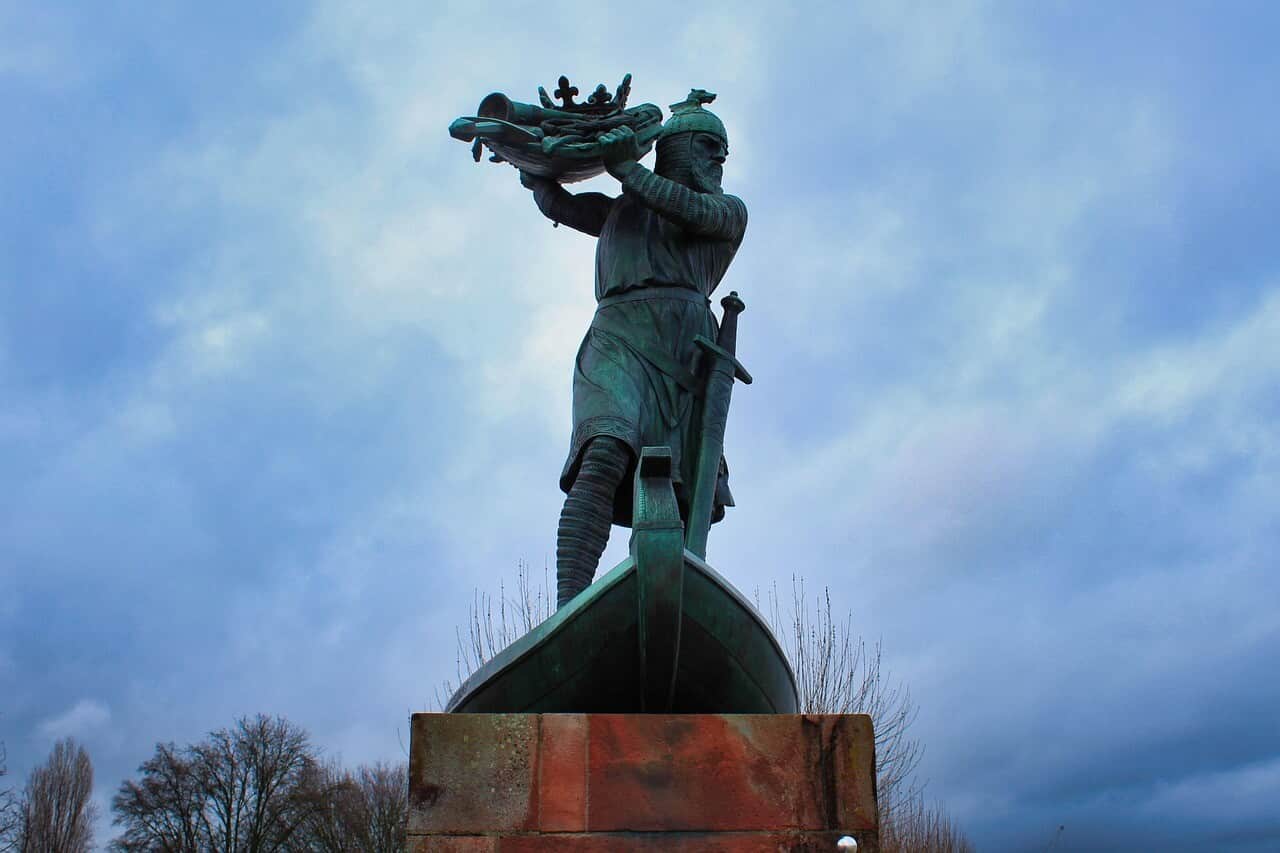
One of the most striking points along the Rhine promenade is the Hagen Monument. It refers to Hagen of Tronje, a central figure of the Nibelungenlied, and to the legend of the Nibelung treasure said to rest in the Rhine.
This reflects something typical of Worms. Myth is not presented as folklore, but treated as part of cultural memory. The monument works because it connects two levels. It is a concrete place by the river and at the same time a reference to a story that made Worms known far beyond the region. Standing by the water, literature suddenly feels present.
Kriemhild’s Rose Garden: a name that carries more than a place
In Worms, the Nibelungen tradition is not limited to storytelling. It forms part of the city’s resonance. Kriemhild’s Rose Garden is a good example. The name alone creates an additional layer, pointing not only to a location but to a narrative that has accompanied Worms for centuries.
What makes this place special is the way myth and city exist side by side without becoming artificial. Nibelungen sites in Worms do not feel staged. They function as quiet reference points through names, monuments and paths leading towards the Rhine. Kriemhild’s Rose Garden reflects this perfectly. It reminds visitors that Worms is a city shaped both by landscape and by memory.
Floodplains and transitions: between riverbank and green
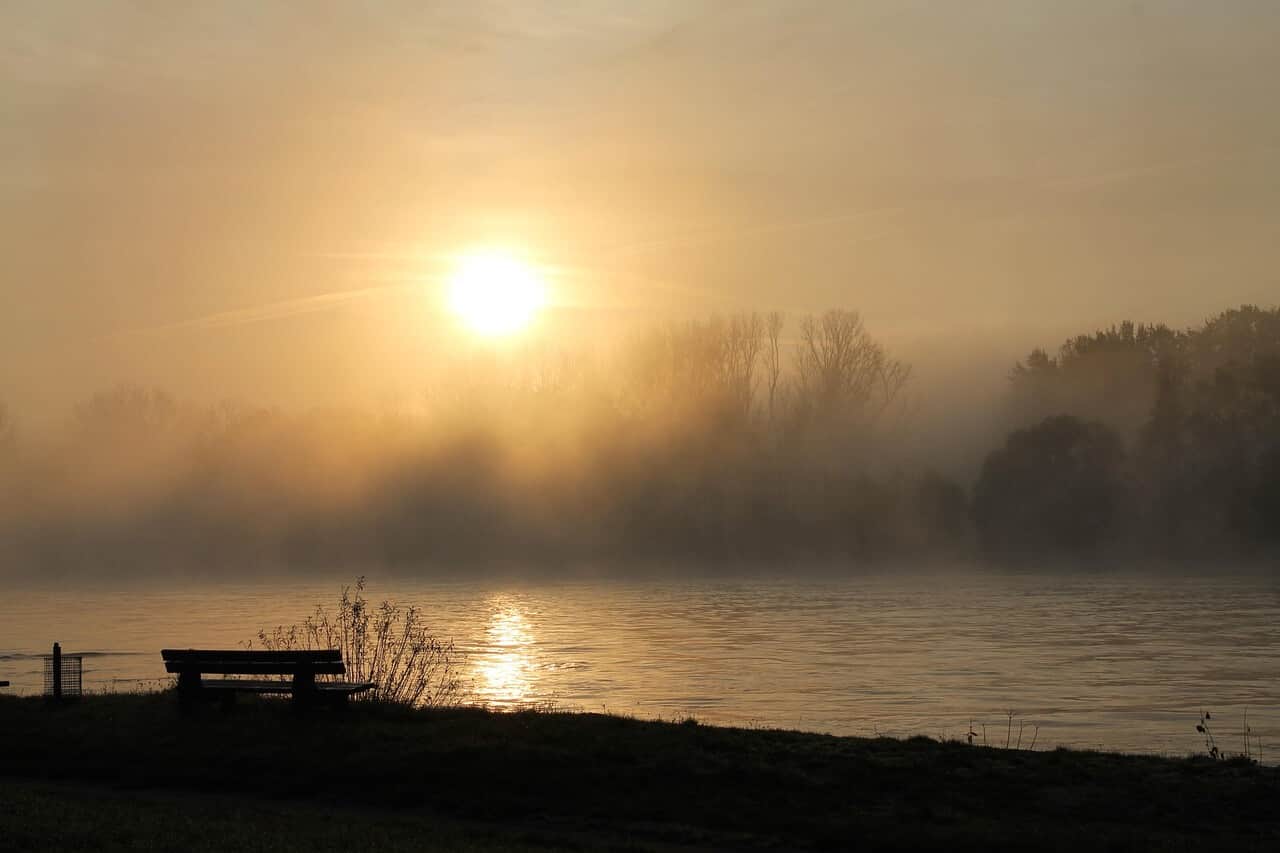
South of Hammelsdamm, the Bürgerweide, the zoo and the southern Rhine floodplains form a connected landscape where Worms feels especially relaxed. Here, the river is not only visible but present as openness, movement and space.
This is what makes Worms by the Rhine so pleasant. You do not need a fixed plan. You can start in the centre, move towards the river, turn into green areas and find yourself back in the city without effort. Worms is shaped by short transitions. This suits both the Rhine and the Nibelungen world, themes that are not meant to be completed, but absorbed.